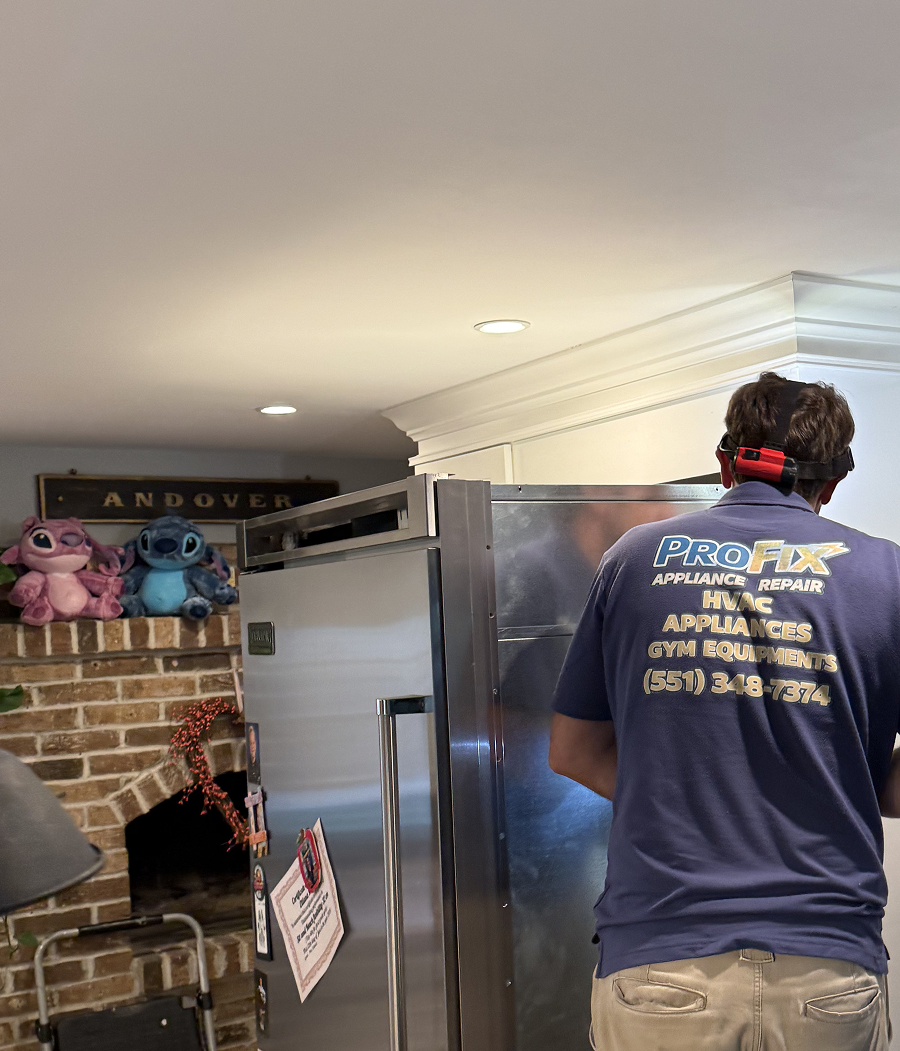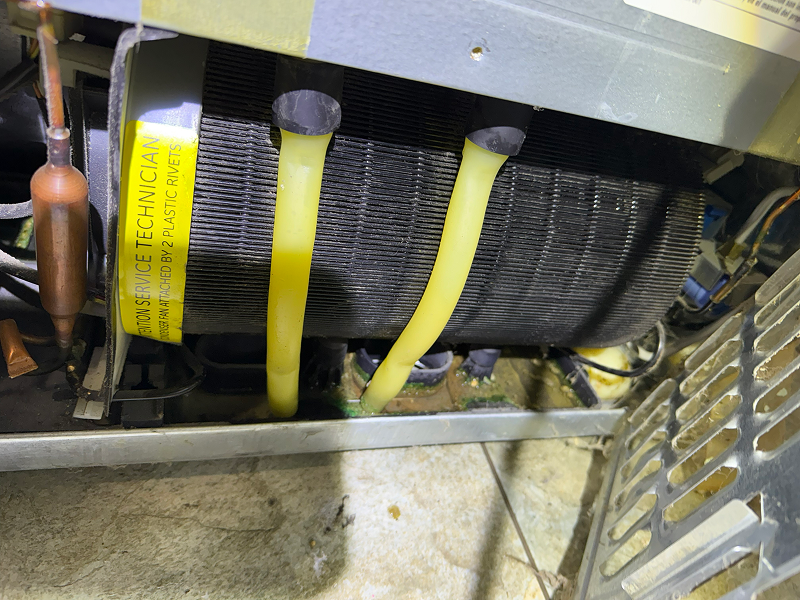
Most refrigerators have condenser coils, which release heat during the cooling cycle. When the coils are coated in dust, pet hair, and lint, your refrigerator has to work harder to stay cold. How often should the refrigerator condenser coils be cleaned? Most experts recommend at least once per year. Over time, this extra strain results in higher energy bills, premature compressor failure, and, eventually, a refrigerator that stops cooling completely.
This happens more frequently than you might expect in Bridgewater and the surrounding areas. What appears to be a mysterious cooling problem is often simply a set of coils that haven't been cleaned in years.
How Often Should You Clean Refrigerator Coils?
The general recommendation is every 6–12 months. However, that rule is specific to your home.
Do you have pets?
Pet hair is the number one cause of coils clogging faster than expected. If you have dogs or cats, clean them every three to six months. Hair wraps around coil fins, blocking airflow more effectively than ordinary household dust.
Is your refrigerator in a high-traffic area?
Kitchens with heavy cooking, open windows, or dusty environments collect debris faster. The same applies to older homes with inefficient air filtration.
When did you last check them?
If you can't recall, it's been too long. Most homeowners have never cleaned their refrigerator coils, and many of the refrigerators we service have not been cleaned in five to ten years.
How Do I Know If My Refrigerator Coils Are Dirty?
You don't need a technician to check. Pull the unit out or remove the front grille and look directly at the coils. Clear signs they need cleaning:
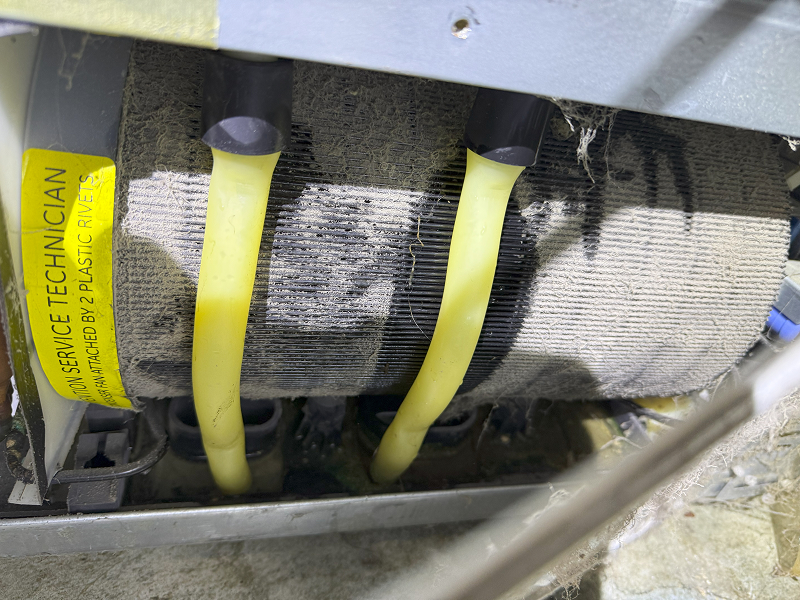
- Coils look gray and fuzzy instead of metallic
- Visible pet hair matted into the fins
- A thick layer of dust you can see from a few feet away
- The refrigerator feels warm on the sides or back
If you haven't checked in over a year, assume they need cleaning.
What Happens If You Don't Clean the Coils
Dirty coils not only reduce efficiency, but also set off a series of problems that become increasingly costly.
Your refrigerator runs constantly
When coils can't release heat efficiently, the compressor runs longer trying to reach the set temperature. Instead of cycling on and off as it should, it runs nearly non-stop.
Energy bills increase
A refrigerator with blocked coils can use 25–30% more electricity than one with clean coils. That adds up quietly over months and years.
The compressor overheats
The compressor is typically the most expensive component in your refrigerator, costing $300-$600 to replace, but sometimes more. Overheating reduces its lifespan significantly. Many compressor failures in Bridgewater and Somerset County are directly related to years of neglected coil maintenance.
The refrigerator stops cooling
An overworked compressor will eventually fail. What began as a maintenance issue escalates into a $400+ repair — or a refrigerator replacement.
Where Are the Coils and How Do You Access Them?
Underneath (most common on newer models): Pull the refrigerator slightly forward, remove the front grille at the bottom, and the coils are accessible behind it.
Behind the unit (common on older models): Pull the refrigerator away from the wall. The coils run along the back panel.
Either way, turn off the refrigerator before cleaning. To remove the buildup, use a coil brush or vacuum with a narrow attachment. A professional cleaning is recommended for heavily clogged coils—those with years of debris compacted into the fins—to avoid damaging the coils themselves.
What We Found on a Recent Refrigerator Repair in Bridgewater
A homeowner contacted us because their refrigerator was constantly running and the interior felt warmer than normal.
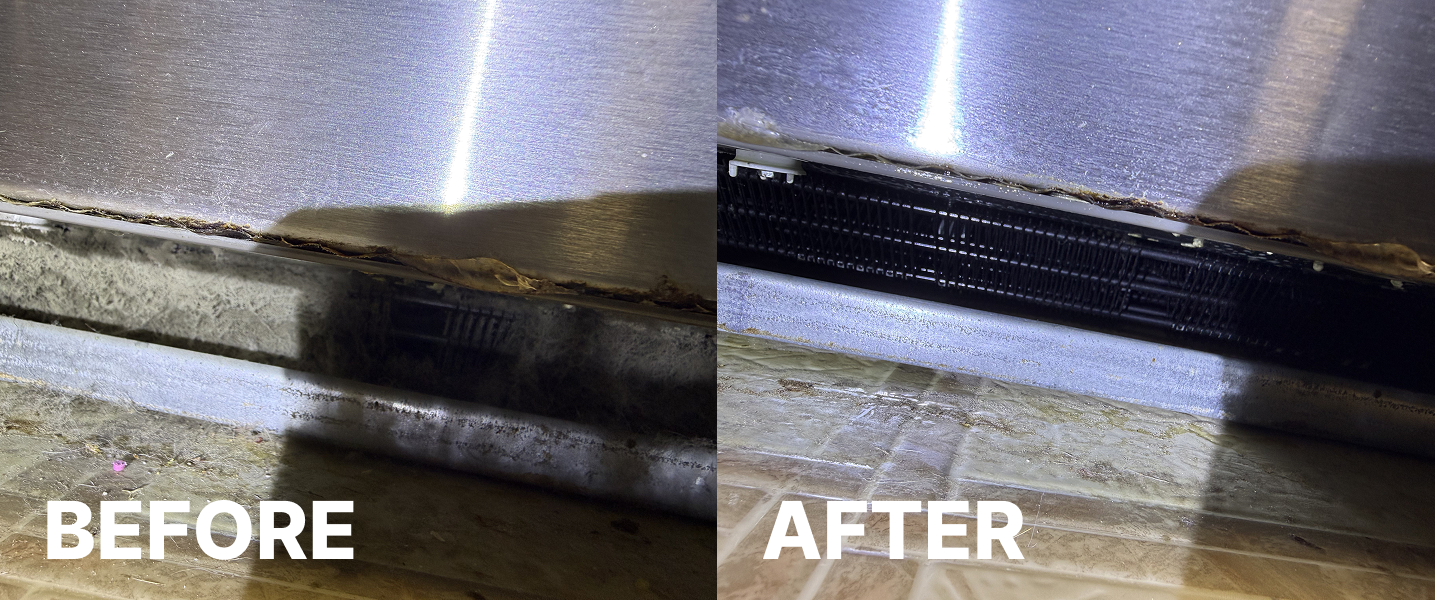
When we removed the unit, the condenser coils were completely packed with dust and lint, with almost no airflow passing through at all. There were no mechanical failures. The refrigerator simply couldn't release heat.
The unit resumed normal operation the same day after the coils were cleaned and the compressor was checked for stress damage. The homeowner stated that they had had the refrigerator for about eight years and had never thought about the coils. That is more common than not.
A Friendly Reminder: Check Your Coils This Fall
One of the simplest ways to extend the life of your refrigerator is to clean the condenser coils once a year.
Fall is ideal because your refrigerator has just worked through the hottest months and will be running full again for the holiday season. A quick cleaning in October or November takes about 15 minutes and can save you hundreds of dollars in future repairs.
When to Call a Professional
DIY coil cleaning works fine for routine maintenance. But call us if:
- Your refrigerator still isn't cooling properly after cleaning the coils
- The coils look bent, corroded, or damaged
- The compressor sounds louder than normal or runs non-stop
- You notice the coils are frozen over (a separate but related issue)
We can also check refrigerant levels, fan motors, and the compressor itself — things that aren't visible from a basic inspection.
Featured Articles
Refrigerant Leak in Your Refrigerator: Signs, Causes, and What to Do
Learn More
Whirlpool Washer Not Filling With Water? Here’s What We Find
Learn More
How Long Do Home Appliances Last?
Learn More