How Long Do Home Appliances Actually Last?
Most major home appliances last 10 to 15 years, but this average includes everything from a $400 builder-grade refrigerator to a $14,000 Sub-Zero. Brand tier, maintenance habits, usage, and local water quality all influence how long your appliance will last. And, in our experience, the appliance that "died" usually required a $50 part rather than a complete replacement.
Here’s what we actually see in the field across Bridgewater and Somerset County, appliance by appliance.
Average Appliance Lifespan — By Type
How Long Does a Refrigerator Last?
A standard freestanding refrigerator lasts 10 to 15 years on average, with well-maintained units frequently lasting 18 years or longer. Built-in refrigerators, such as Sub-Zero, Thermador, and Miele, are designed to last for more than 20 years with proper maintenance.
The single most important maintenance task is cleaning the condenser coils once or twice a year. Dust-coated coils make the compressor work harder, significantly shortening its life. A 10-minute coil cleaning once or twice a year can extend the life of your refrigerator by several years. French door models have more repair issues than top-freezer models, particularly with ice makers.
How Long Does a Washer Last?
Washing machines typically last 10 to 14 years. Top-loaders generally outlast front-loaders because they have simpler mechanical systems — fewer bearings, no door gasket to degrade, and less electronics overall. Front-loaders are more water-efficient but require more active maintenance — gasket cleaning, leaving the door open between cycles, and using the correct detergent amount — to reach their full lifespan.
In Somerset County, hard water accelerates washer drum bearing wear and leaves mineral deposits in the drum and hoses. Homeowners with high-iron water in particular often see washers reaching the lower end of the lifespan range.
How Long Does a Dryer Last?
Dryers typically last 10 to 13 years — and are one of the more straightforward appliances to maintain. Gas dryers tend to outlast electric ones because the heating system is simpler. The biggest lifespan factor for a dryer isn’t the machine itself — it’s the vent line. A dryer venting through a long or partially clogged duct line works harder on every cycle, stressing the motor, heating element, and thermal fuse simultaneously. Annual vent cleaning is the most important maintenance task for a dryer.
How Long Does a Dishwasher Last?
Dishwashers average 9 to 12 years, though well-maintained premium models — Bosch, Miele — regularly run 15 years or more. Hard water is the single biggest lifespan killer for dishwashers. Mineral buildup on spray arms, the heating element, and the pump shortens every dishwasher’s life, and in Somerset County’s moderately hard water, regular descaling and rinse aid use are not optional if you want the machine to reach its full lifespan.
How Long Does a Stove or Range Last?
Ranges are among the longest-lasting appliances in the home. Gas ranges average 15 years and often run 20 years or more — the heating system is simple and reliable. Electric ranges average 13 to 15 years. Induction ranges are newer and lifespans are still being established, but the cooking surface itself is extremely durable; the electronics are the vulnerability.
How Long Does a Dishwasher Last?
Ovens and ranges are among the longest-lasting appliances in the home, typically outlasting washers and refrigerators by several years. The main maintenance item: keep the oven clean. Heavy carbon buildup on oven walls affects temperature accuracy and puts stress on the heating element over time.
What Actually Shortens Appliance Life
In our experience across Bridgewater and Somerset County, the factors that consistently shorten appliance lifespans are:
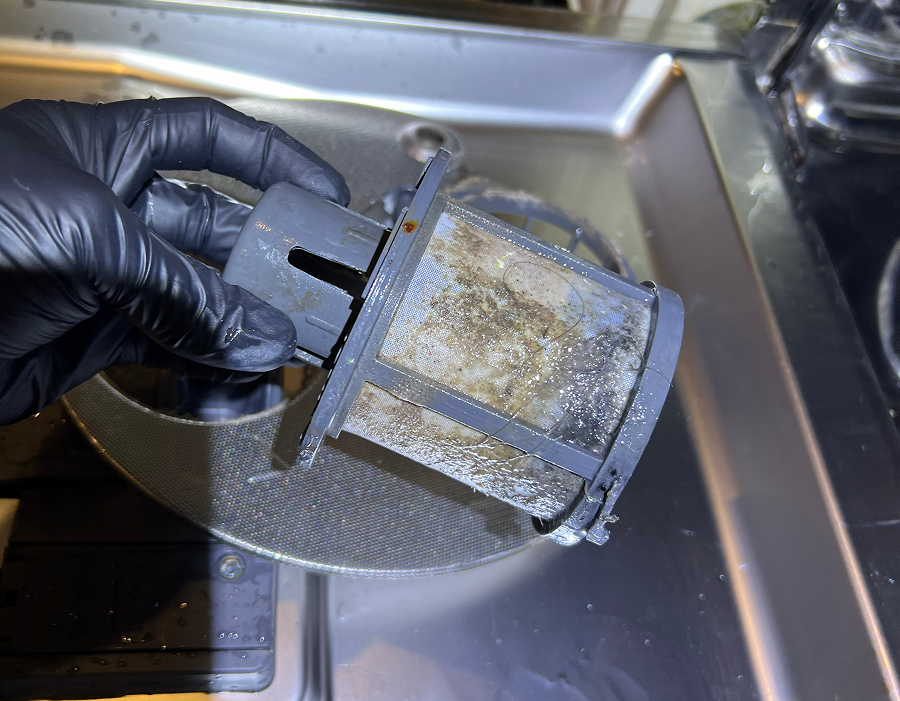
- Skipping maintenance — dirty condenser coils on refrigerators, unlubricated dryer belts, uncleaned dishwasher filters. These are free tasks that make a measurable difference.
- Hard water — NJ has moderately hard water. Mineral deposits accumulate in washers, dishwashers, coffee machines, and water heaters. Regular descaling extends life significantly.
- Overloading — consistently running washers and dryers beyond their rated capacity stresses motors, bearings, and suspension systems.
- Ignoring early warning signs — a noise that’s been there for six months, a burner that sometimes doesn’t light, a fridge that runs a little longer than it used to. These are almost always early failures that cost $80 to fix now and $400 to fix after they’ve caused secondary damage.
Repair or Replace? The Honest Answer
About 60% of appliances we’re called out to that homeowners describe as “dead” have a component failure under $50 — not a worn-out machine. The appliance has plenty of life left. It just needs a part.
The general rule we use: if the repair costs less than 50% of a comparable new appliance and the unit is under 75% of its expected lifespan, repair almost always makes financial sense. A $200 repair on an 8-year-old refrigerator that should last 15 years is straightforward math. A $600 compressor replacement on a 13-year-old refrigerator that averages 15 years is a different conversation.
We’ll always give you an honest assessment before recommending a repair. If replacement makes more sense, we’ll say so.
Appliance Lifespan by Brand Tier
Brand tier matters more than most homeowners realize. A budget dishwasher averages 6 to 9 years. A mid-range dishwasher — KitchenAid, Whirlpool — averages 9 to 12 years. A premium Bosch or Miele dishwasher is engineered for 15 to 20 years. The same pattern holds across every appliance category.
Premium brands common in Hillsborough Township and Branchburg — Sub-Zero, Thermador, Wolf, Miele — are specifically designed for long lifespans and are almost always worth repairing. The cost of replacing a built-in Sub-Zero with a comparable unit, including cabinetry modifications and installation, typically far exceeds what even a significant repair costs.
How to Make Your Appliances Last Longer
- Refrigerator — clean condenser coils twice a year, keep the door seal clean and intact, don’t overfill
- Washer — use the correct amount of HE detergent, leave the door cracked after cycles, clean the gasket monthly on front-loaders
- Dryer — clean the full vent line annually, not just the lint trap after every load
- Dishwasher — clean the filter monthly, use rinse aid, run a descale cycle every few months
- Stove and oven — clean the burners and oven interior regularly, don’t run the self-clean cycle more than once or twice a year
Featured Articles
Refrigerant Leak in Your Refrigerator: Signs, Causes, and What to Do
Learn More
How Often Should You Clean Refrigerator Coils? (And What Happens If You Don't)
Learn More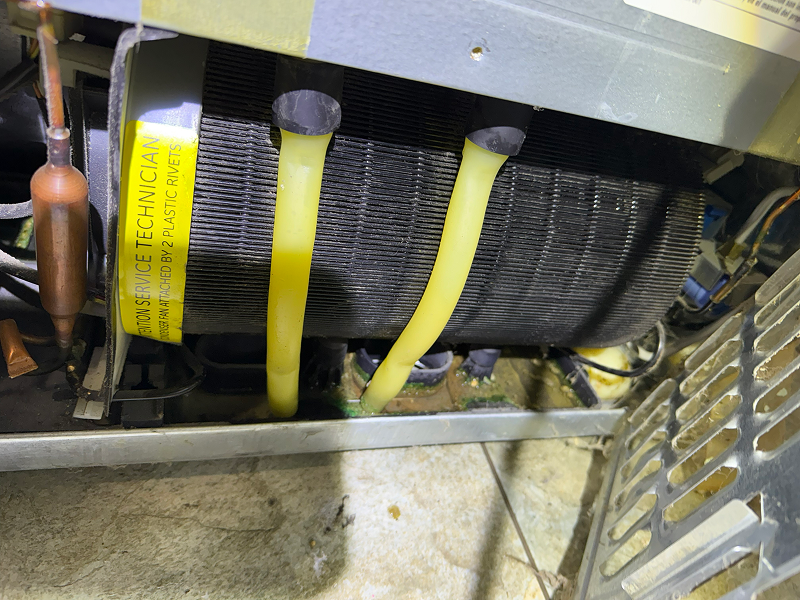
Whirlpool Washer Not Filling With Water? Here’s What We Find
Learn More

