AC Not Cooling or Blowing Warm Air
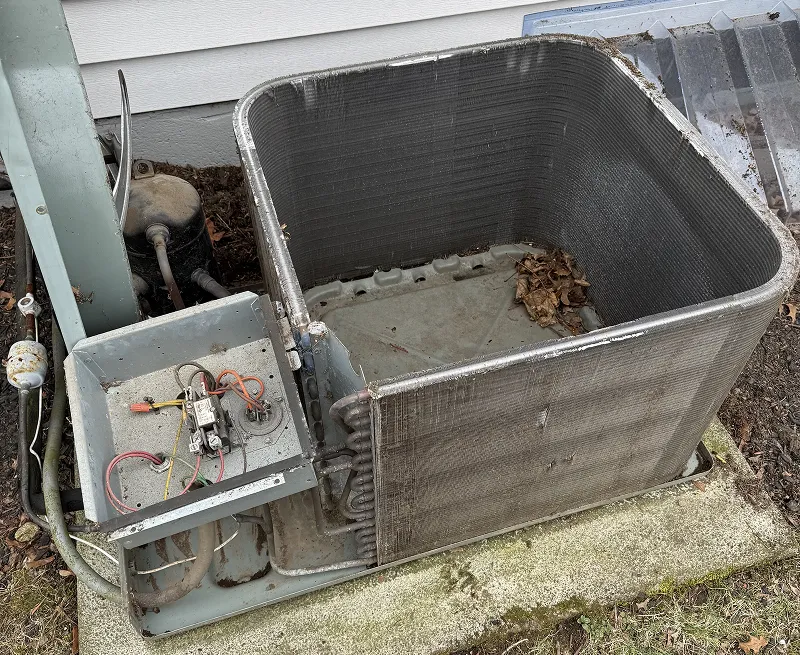
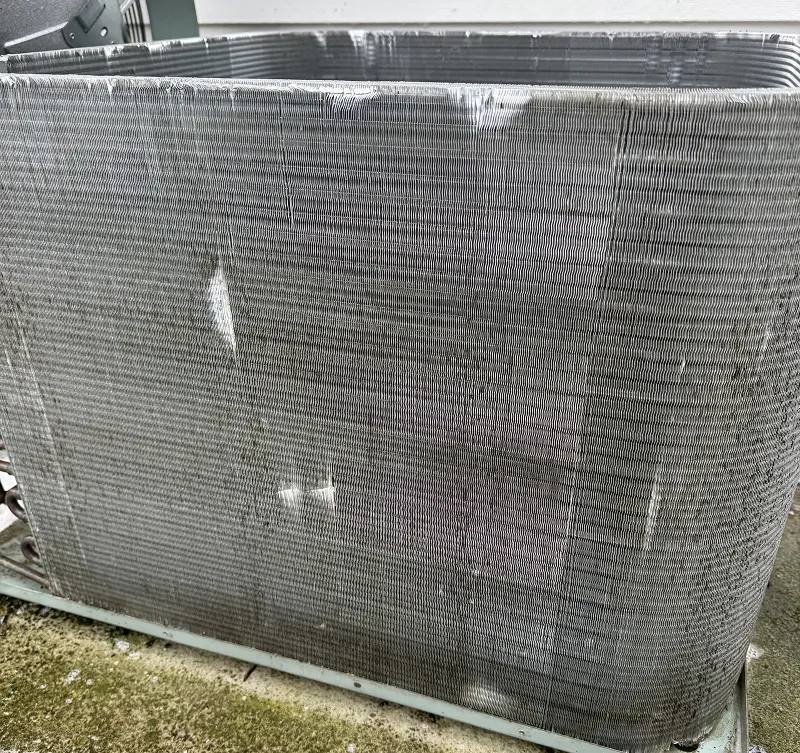
The most common call we receive in summer. Usually caused by a refrigerant leak reducing system capacity, a dirty condenser coil blocking heat rejection, a failed compressor, or a frozen evaporator coil caused by restricted airflow. We diagnose the root cause and give you a firm price before any work begins.
AC Not Turning On
When the system produces no response at all, the cause is almost always a failed capacitor, a tripped contactor, a blown fuse in the disconnect box, or a thermostat that isn't sending the start signal. All four are diagnosed and resolved on the first visit in most cases.
Capacitor Failure
Capacitors are the most common AC failure in New Jersey homes. They fail most frequently on the first hot day of summer — the surge demand when the compressor starts under peak heat load is when a weakened capacitor finally gives out. Capacitor replacement is one of our fastest repairs and is always completed on the first visit.
Refrigerant Leak
A refrigerant leak causes the system to gradually lose cooling capacity over weeks or months. Symptoms include the house taking longer than usual to cool down, ice on the refrigerant lines or evaporator coil, and higher-than-normal electricity bills. We locate the leak, repair it, and recharge to manufacturer specifications.
AC Running Constantly Without Reaching Temperature
A system that runs all day without reaching the thermostat setpoint is usually dealing with a dirty condenser coil, a refrigerant undercharge, or a compressor that's losing efficiency. In New Jersey's high-humidity summer climate, this pattern also accelerates the system's overall wear.
Frozen Evaporator Coil
A coil that freezes over stops cooling the air entirely. Almost always caused by restricted airflow — a severely clogged air filter or a blocked return vent — or by low refrigerant. We thaw the coil, identify the cause, and resolve it before the system is restarted.
AC Leaking Water Inside
Water dripping from the indoor air handler or pooling at the base of the unit means the condensate drain line is clogged — one of the most common warm-weather AC issues in New Jersey's humid climate. Left unaddressed, a blocked drain causes water damage to ceilings, walls, and flooring. We clear the drain line and test the condensate pump if one is installed.
Loud Noises from the Outdoor Unit
Banging, rattling, or screeching from the outdoor condenser unit signals a specific mechanical problem. Banging is usually a loose or broken part inside the compressor. Rattling typically means debris inside the unit or a loose panel. Screeching almost always indicates a failing fan motor bearing. Each has a different solution — we identify which it is before recommending a repair.
.svg)



.svg)
%201.svg)




.svg)