
Refrigerator Running Constantly: Is This Normal or a Problem?
In many cases, yes, it's normal. Modern high-efficiency refrigerators are designed to run almost continuously at low power rather than cycling fully on and off like older models did — this is intentional and actually more energy efficient. However, if your fridge is running nonstop, sounds louder than usual, and isn't cooling properly, the most common causes are dirty condenser coils, a failing condenser fan, a bad start relay, low refrigerant from a leak, or a door that isn't sealing completely.
The key is telling the difference between a fridge that's simply built to run more often and one that's actually struggling. Here's how to tell which situation you're in.
Why Modern Refrigerators Run More Than Older Ones
Older refrigerators used a simple on/off compressor that cycled at full power, then shut off completely once the target temperature was reached — which is why people remember hearing the fridge "kick on" and then go silent for stretches. Many newer refrigerators, especially Energy Star-rated and inverter-compressor models, run at low, steady power almost continuously instead of cycling. This is intentional and more efficient, similar to how a car cruising at a steady speed uses less fuel than one that's constantly accelerating and braking.
If your fridge is relatively new, runs quietly, and is cooling properly, near-constant operation is very likely just how that model is designed to work — not a sign of a problem.
What Causes a Refrigerator to Run Constantly Without Cycling Off
If your fridge is older, was previously quieter, or is running constantly and not cooling well, something is actually wrong. Here are the most common causes we find in the field.
Are the Condenser Coils Dirty?
This is the single most common cause of a refrigerator running nonstop that we find on service calls. The condenser coils — located on the back or underneath the fridge — release heat from the refrigerant into the room. When they're coated in dust, pet hair, and debris, the fridge can't shed heat efficiently, so the compressor keeps running and running trying to compensate.
Fix: Unplug the fridge, pull it away from the wall, and vacuum the coils thoroughly. If they're underneath behind a kick panel, remove the panel and vacuum there instead. This takes about 10 minutes and should be done once a year — it's the easiest, most overlooked piece of refrigerator maintenance there is.
Is the Condenser Fan Failing?
The condenser fan blows air across the coils to help dissipate heat. When the fan motor weakens or fails, the compressor has to run longer and harder to compensate for the reduced airflow. You may notice a change in sound — quieter than normal, or an intermittent fan noise — along with the fridge running constantly.
Fix: The fan motor needs to be tested and replaced if it's failed. This is a straightforward repair we handle regularly, usually completed in a single visit.
Has the Door Seal Failed?
A damaged or loose door gasket lets warm air continuously leak into the fridge, forcing the compressor to run nonstop trying to compensate for air it can never fully cool. This is especially common on older units or doors that get bumped or overloaded with heavy items hanging on the inside shelving.
Fix: Close the door on a dollar bill or piece of paper — if you can pull it out easily, the seal has failed. Clean the gasket first, since grime buildup alone can prevent a proper seal. If it's cracked or torn, replacement is typically $20–50.
Has the Start Relay Failed?
The start relay sends the initial jolt of power needed to get the compressor motor running. When it's failing, you may hear the compressor try to start, click, and shut off repeatedly — or it may get stuck in a state where it just keeps running and struggling without ever reaching the proper cooling cycle. A failing relay is a relatively inexpensive part, but it requires testing to confirm.
Fix: We test the relay directly. If it's bad, it's a quick and affordable replacement — typically one of the easier fixes for this issue.
Is the Refrigerant Low from a Leak?
If the compressor is running constantly and the fridge still isn't getting cold, a refrigerant leak is a real possibility, especially on older units. Low refrigerant means the system can't actually remove heat efficiently no matter how long the compressor runs. This is one of the more serious causes on this list and typically points to an aging unit nearing the end of its useful life.
Fix: This requires professional diagnosis with proper refrigerant handling equipment. On a refrigerator more than 8–10 years old, we'll walk you through whether repair or replacement makes more financial sense.
Recent Repair: Refrigerator Running Nonstop in Bridgewater, NJ
A homeowner in Bridgewater called us a few weeks ago because their refrigerator had been running constantly for days and the inside temperature had crept up a few degrees. They’d assumed it was simply an older model that ran more than it used to.
Our technician pulled the fridge from the wall and found the condenser coils completely matted with pet hair and dust — they hadn’t been cleaned since the unit was installed years earlier. We vacuumed the coils thoroughly, checked the condenser fan and door seal while we were there, and confirmed the compressor cycled normally afterward instead of running continuously.
Total visit time: under 30 minutes. No parts needed. The homeowner had been bracing for a compressor replacement and was relieved it was a simple, preventable fix.
How to Stop a Refrigerator from Running Constantly
Start with the free and easy checks: clean the condenser coils, test the door seal with the dollar-bill trick, and make sure nothing is blocking the door from closing fully. If the fridge is newer and otherwise cooling well, near-constant low-power operation may simply be normal for that model. If it's struggling to maintain temperature on top of running nonstop, that points to one of the mechanical issues above and is worth having diagnosed.
When to Call a Professional
You can handle yourself: cleaning the condenser coils, checking the door seal, confirming nothing is blocking proper door closure.
Call us if: the fridge is running constantly and not maintaining temperature, you hear new or unusual noises along with the constant running, or you've cleaned the coils and checked the seal and the problem continues. Constant running with poor cooling is rarely something that resolves on its own.
We diagnose and repair all refrigerator brands — Samsung, LG, Whirlpool, GE, Frigidaire, Maytag, Bosch, and more. For most refrigerator calls in the Bridgewater area, we identify the cause and fix it in a single visit.
Frequently Asked Questions — Refrigerator Running Constantly
Is it normal for a refrigerator to run all the time?
For many modern, energy-efficient refrigerators, yes — they're designed to run at low power nearly continuously rather than fully cycling off, which is more efficient overall. This is only a concern if the fridge is also struggling to maintain temperature or making unusual noises.
Why did my fridge suddenly start running constantly when it didn't before?
A sudden change in behavior — as opposed to a fridge that's always run this way — usually points to an actual problem: dirty condenser coils, a failing condenser fan, a worn door seal, or a refrigerant leak. We start by checking the coils first since it's the most common and easiest cause to rule out.
How much does it cost to fix a refrigerator that runs constantly?
If the cause is dirty condenser coils, there's often no repair cost at all — just a cleaning. A condenser fan or start relay replacement typically runs $80–180 for parts and labor. A refrigerant leak repair runs significantly higher and depends heavily on the age and condition of the unit.
Can a refrigerator running constantly raise my electric bill?
Yes, especially if the cause is dirty coils, a failing fan, or a bad door seal — all of these force the compressor to work harder and longer than it should, which does increase energy use. A simple coil cleaning can sometimes noticeably reduce a fridge's electricity consumption.
Should I unplug my fridge if it's running nonstop?
If the fridge is still cooling properly, it's generally fine to keep it running while you investigate or wait for a repair visit, since unplugging it risks spoiling food. If it's making unusual noises that concern you or feels excessively hot to the touch at the back, it's reasonable to unplug it and call for service.
How long can a refrigerator run continuously before it's a problem?
There's no fixed time limit — the better question is whether it's cooling properly while doing so. A fridge that runs most of the day but keeps food at the correct temperature is likely fine. One that runs constantly and still can't maintain temperature has an underlying issue that needs attention.
Contact us today for the same-day refrigerator repair
A refrigerator that won't stop running is either working exactly as designed or struggling with something fixable — we'll tell you which one honestly. Don't wait on a refrigerator repair that could turn into a bigger problem. We're local, we're available, and we can usually be there the same day.
Featured Articles
Hot Tub Not Heating? Troubleshooting Guide for Somerset County Homeowners
Learn More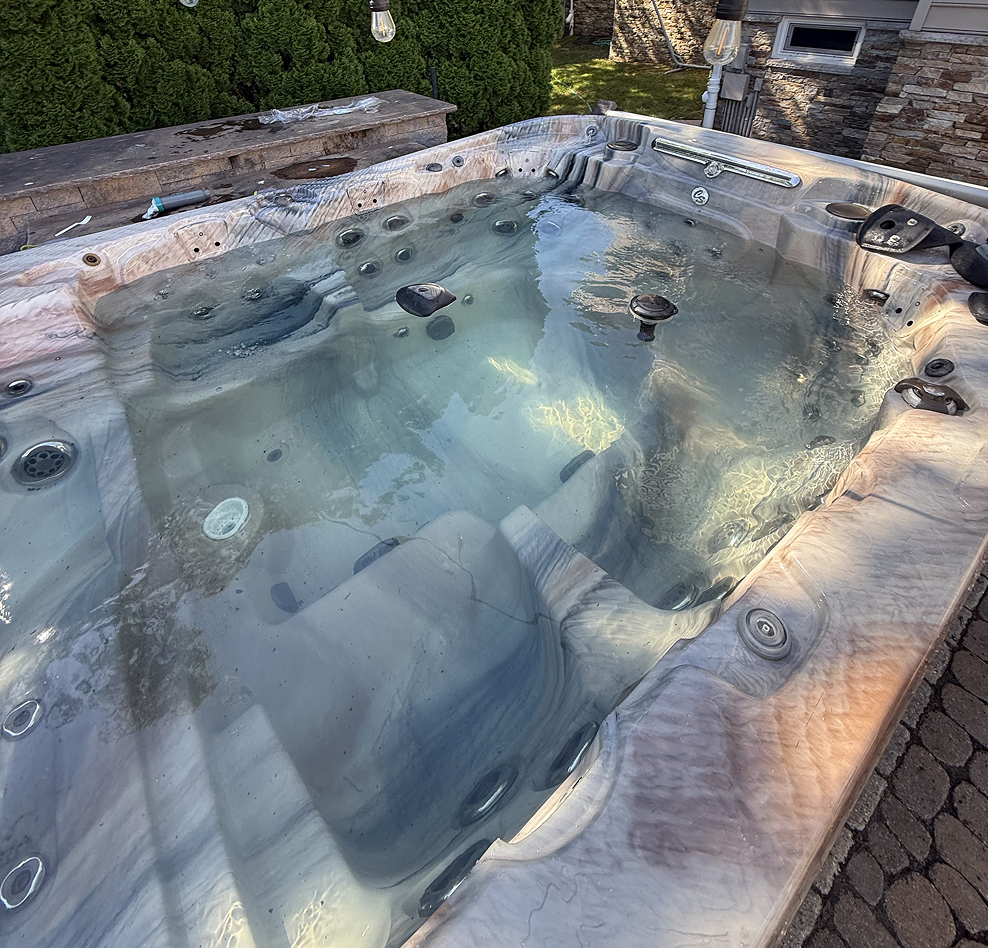
Emergency Appliance Repair in Bridgewater & Somerset County, NJ
Learn More
Commercial Dishwasher Not Working? Here’s What to Check First
Learn More
.svg)
%201.svg)