Introduction
You open the dishwasher after a full cycle and find an inch of standing water at the bottom. Or worse — the water drained, but your dishes still have grease, food residue, and a cloudy white film on them. Either way, something’s wrong and the dishwasher isn’t doing its job.
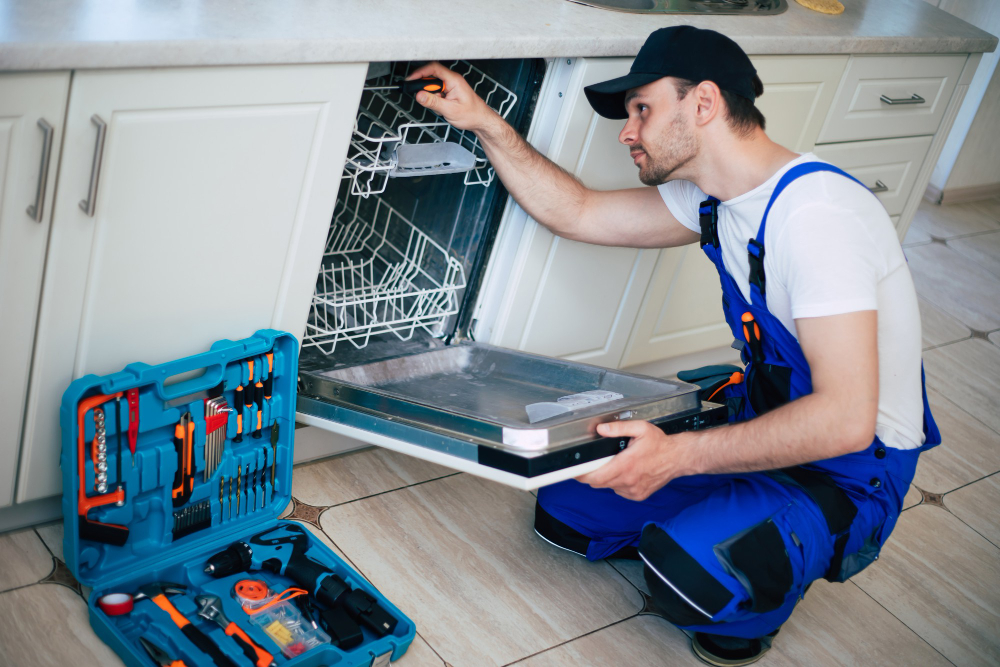
At ProFix, dishwasher repair calls are some of the most misdiagnosed service calls we see. Homeowners across Bridgewater, Somerville, and Raritan have replaced drain pumps when the real problem was a clogged filter they didn’t know existed — or called a plumber for a dishwasher issue that was actually a garbage disposal blockage. A few minutes of proper diagnosis changes everything.
Here’s how we think through it — both for draining problems and cleaning problems, because the two often have different causes.
Part 1: Dishwasher Not Draining
Start Here: Is Your Sink Draining?
Before touching the dishwasher, run water in your kitchen sink. If the sink drains slowly or not at all, that’s your problem — not the dishwasher. Your dishwasher drains through the same pipe as your sink, either directly into the drain line or through the garbage disposal. A clogged sink drain backs water up into the dishwasher. This is one of the most common “dishwasher problems” we get called for, and it has nothing to do with the dishwasher at all.
Also run your garbage disposal if you have one. A packed disposal is one of the most frequent causes of dishwasher drainage failure. Run it for 30 seconds with water flowing and then try the dishwasher again.
Cause 1: Clogged Filter
This is the number one actual dishwasher cause we find in the field — and the one most homeowners have never thought about. Almost every dishwasher made in the last 15 years has a filter assembly at the bottom of the tub. It catches food particles so they don’t recirculate onto your dishes. When it’s not cleaned regularly, it becomes completely packed with debris and blocks drainage entirely.
Pull out the lower rack. The filter is the cylindrical component at the bottom center — twist it counterclockwise, lift it out, and rinse it under running water. If it hasn’t been cleaned in months or years, you may need to soak it and scrub it with a soft brush.
This fix costs nothing and takes five minutes. We’ve found filters in Bridgewater homes that hadn’t been cleaned since the dishwasher was installed.
Cause 2: Kinked or Blocked Drain Hose
The drain hose runs from the dishwasher pump to the sink drain or garbage disposal. If it’s kinked, bent, or sitting under a heavy object under the sink, water can’t pass through. This is especially common in kitchens where things have been rearranged under the sink — a cleaning product placed on top of the hose, a new garbage disposal installed, or someone working under the sink and pushing the hose out of position.
Check that the hose has a “high loop” — part of the hose should rise up close to the underside of the countertop before dropping down to the drain connection. Without this loop, dirty water can backflow into the dishwasher.
Cause 3: Failed Drain Pump
If the filter is clean, the sink drains fine, and the hose is clear — the drain pump has likely failed. The pump is the motor that physically pushes water out of the dishwasher at the end of each cycle. When it fails, water just sits there. You may hear the dishwasher trying to drain — a humming sound without water moving — or it may be completely silent during the drain phase.
This is a repair, not a DIY fix. The pump needs to be tested and replaced. Part cost varies by brand ($50–150 for most common brands). We carry pumps for Bosch, Samsung, LG, Whirlpool, and GE in the van.
Part 2: Dishwasher Not Cleaning Well
Cause 1: Wrong Detergent or Too Much of It
Regular dish soap — the kind you use at the sink — should never go in a dishwasher. It creates massive suds that interfere with the wash cycle, can block the drain, and leave residue on everything. Dishwashers need dishwasher-specific detergent, and most modern machines do best with detergent pods or tablets rather than powder or gel.
Also: using too much detergent causes a cloudy film on dishes, especially glasses. If your dishes look hazy, cut the detergent amount in half and see if it improves.
Cause 2: Clogged Spray Arms
The spray arms rotate and shoot water onto your dishes during the cycle. Each arm has small holes that can get blocked by mineral deposits, food particles, or hard water buildup. When holes are blocked, water pressure drops and dishes come out dirty — especially on the upper rack.
Remove the spray arms (they usually unscrew or pop off) and hold them up to the light. Blocked holes will be obvious. Clear them with a toothpick and rinse under hot water.
Cause 3: Water Temperature Too Low
Dishwashers need hot water — around 120°F minimum — to dissolve detergent and cut through grease. If your water heater is set too low, or the dishwasher is far from the water heater, dishes come out greasy and streaky.
Run your kitchen faucet on hot for 30 seconds before starting the dishwasher. This purges cold water from the line so the machine starts with hot water from cycle one.
Cause 4: Failing Wash Pump or Pump Motor
If everything else checks out and dishes still come out dirty, the wash pump may be failing. Low pressure from a weak pump means dishes aren’t getting hit hard enough to come clean — especially baked-on food. This requires professional diagnosis and repair.
Real Case: Bosch Dishwasher in Somerville, NJ
A homeowner in Somerville called us about a Bosch dishwasher that had been “getting worse” for about three months — dishes coming out with residue, glasses looking hazy, and recently water left standing in the bottom after cycles. They assumed the pump had failed and were bracing for a big repair bill.
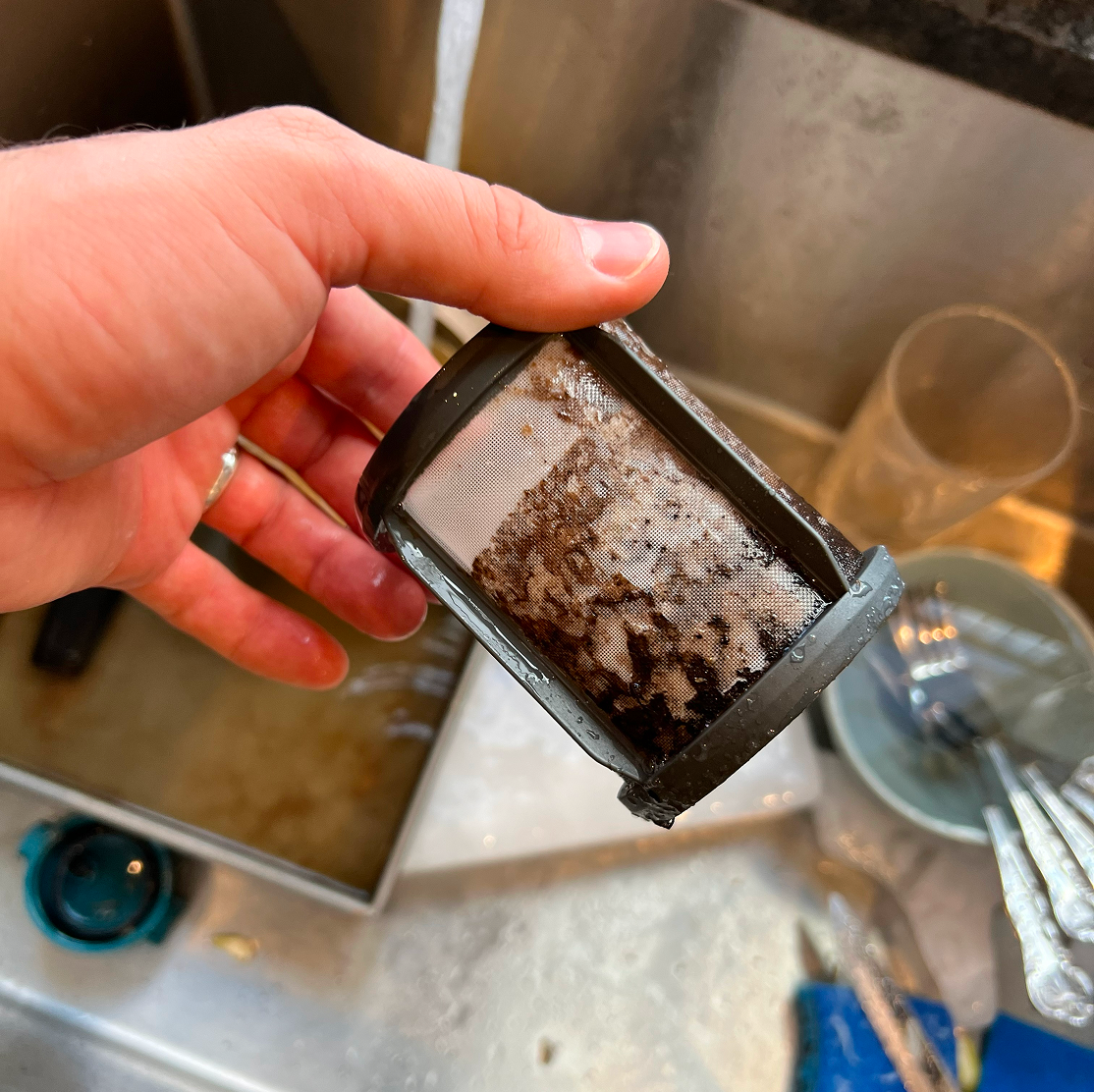
Our technician pulled the filter first. It was completely blocked — a dense mat of food debris that had built up over two years without cleaning. The drain hose also had a partial kink from a cleaning caddy placed on top of it under the sink.
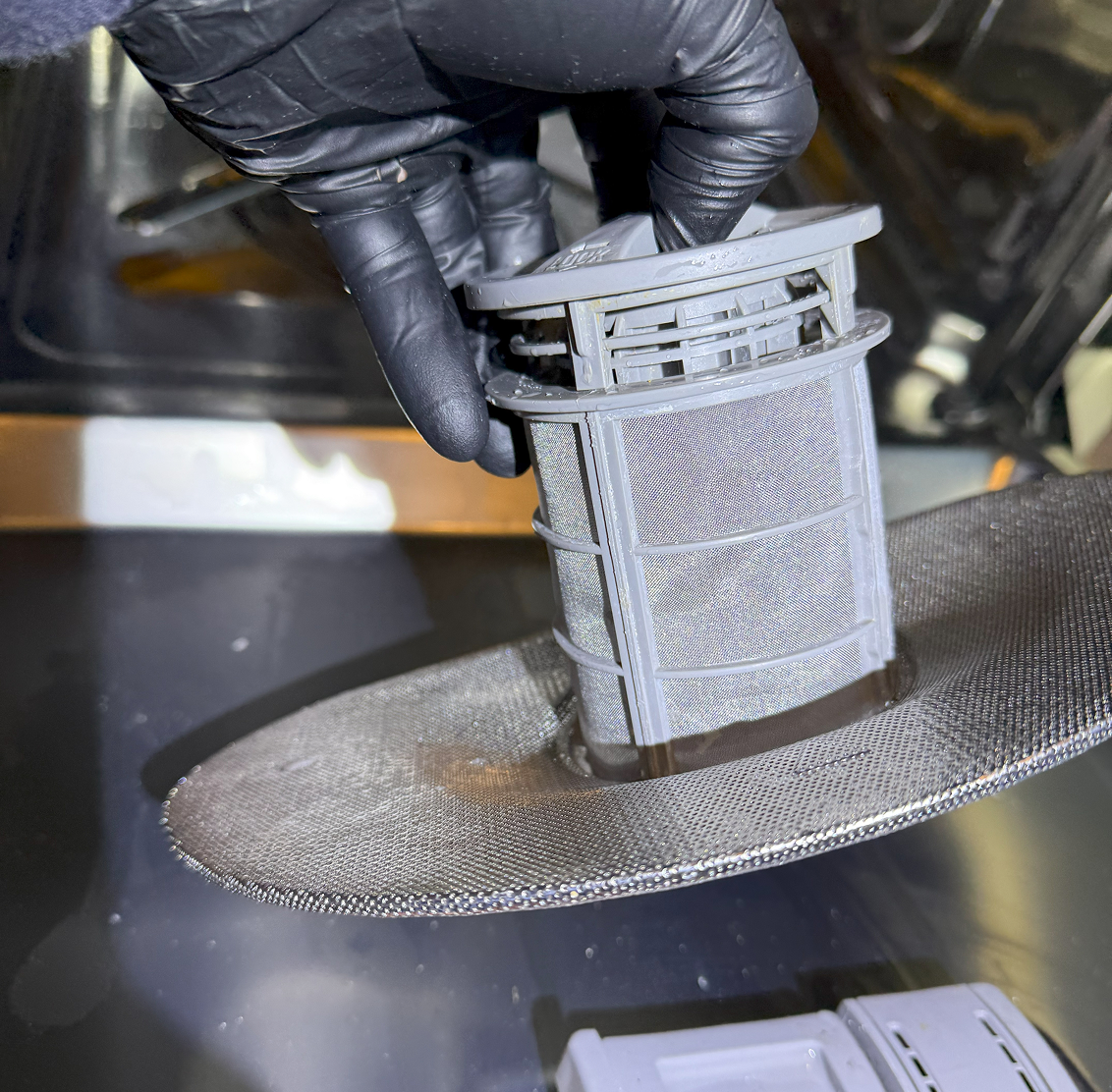
We cleaned the filter, straightened the hose, and ran a diagnostic cycle. Full drainage, clean dishes. Total time: 25 minutes. No parts needed.
The homeowner was relieved — but also frustrated that two years of gradually declining performance could have been prevented with a monthly filter rinse.
When to Call ProFix
Call us if the drain pump has failed, you have error codes on the display (Samsung 5C/5E, Bosch E24, LG OE — all indicate drain failures), the wash pump is weak, or you’ve done the basic checks and the problem continues.
We repair all dishwasher brands — Bosch, Samsung, LG, Whirlpool, GE, KitchenAid, Miele, and more. For most dishwasher calls in the Bridgewater area, we’re in and out in a single visit.
Featured Articles
Refrigerant Leak in Your Refrigerator: Signs, Causes, and What to Do
Learn More
How Often Should You Clean Refrigerator Coils? (And What Happens If You Don't)
Learn More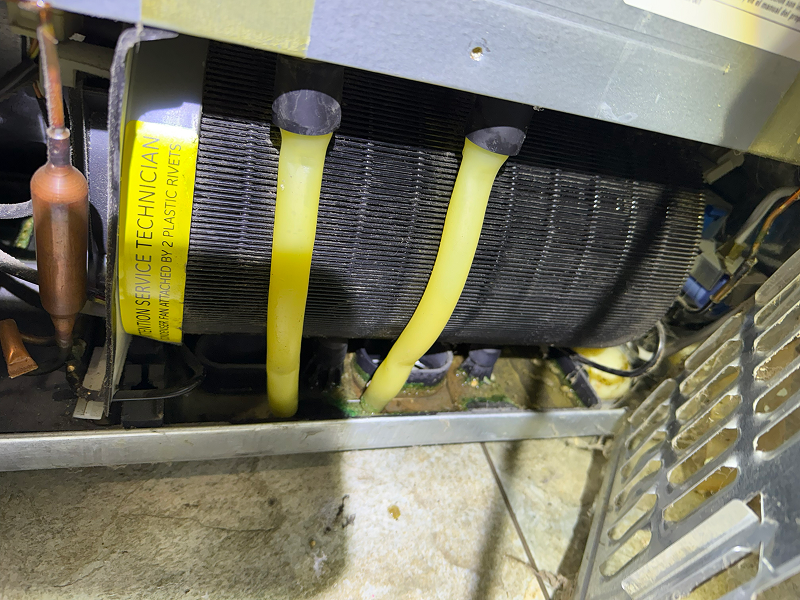
Whirlpool Washer Not Filling With Water? Here’s What We Find
Learn More
.svg)
%201.svg)